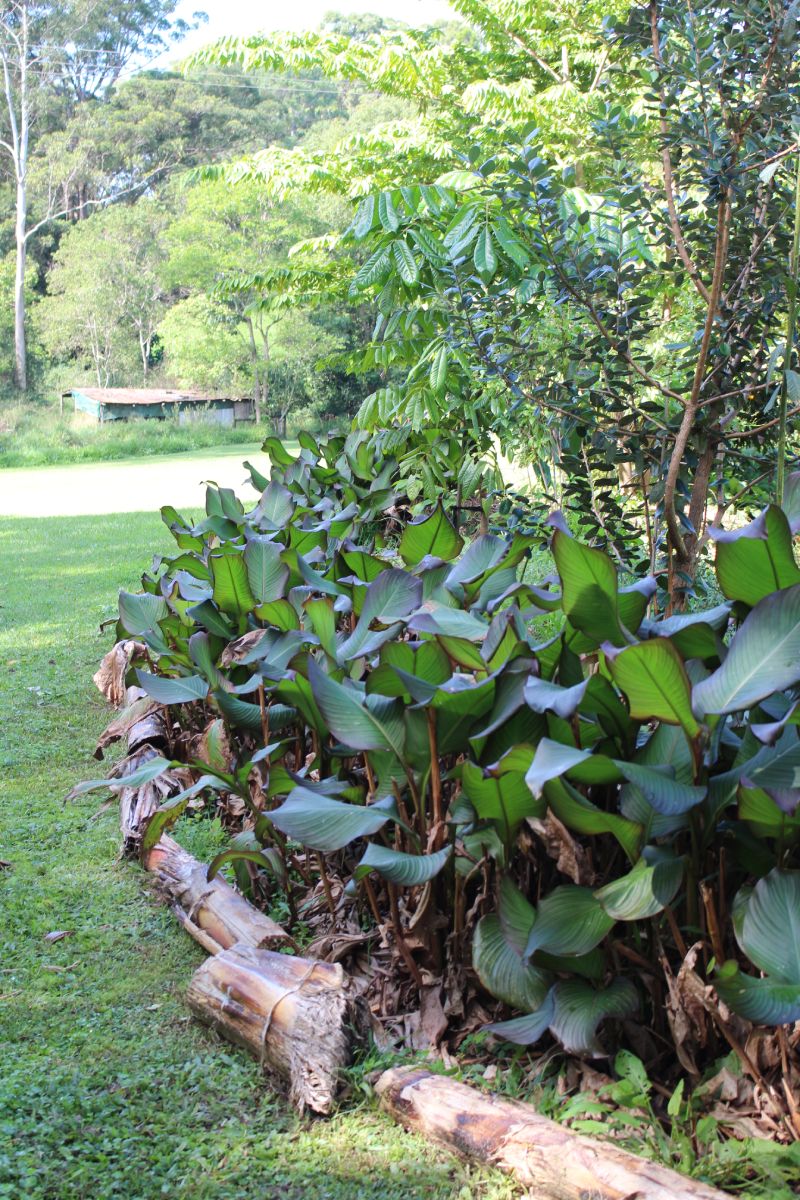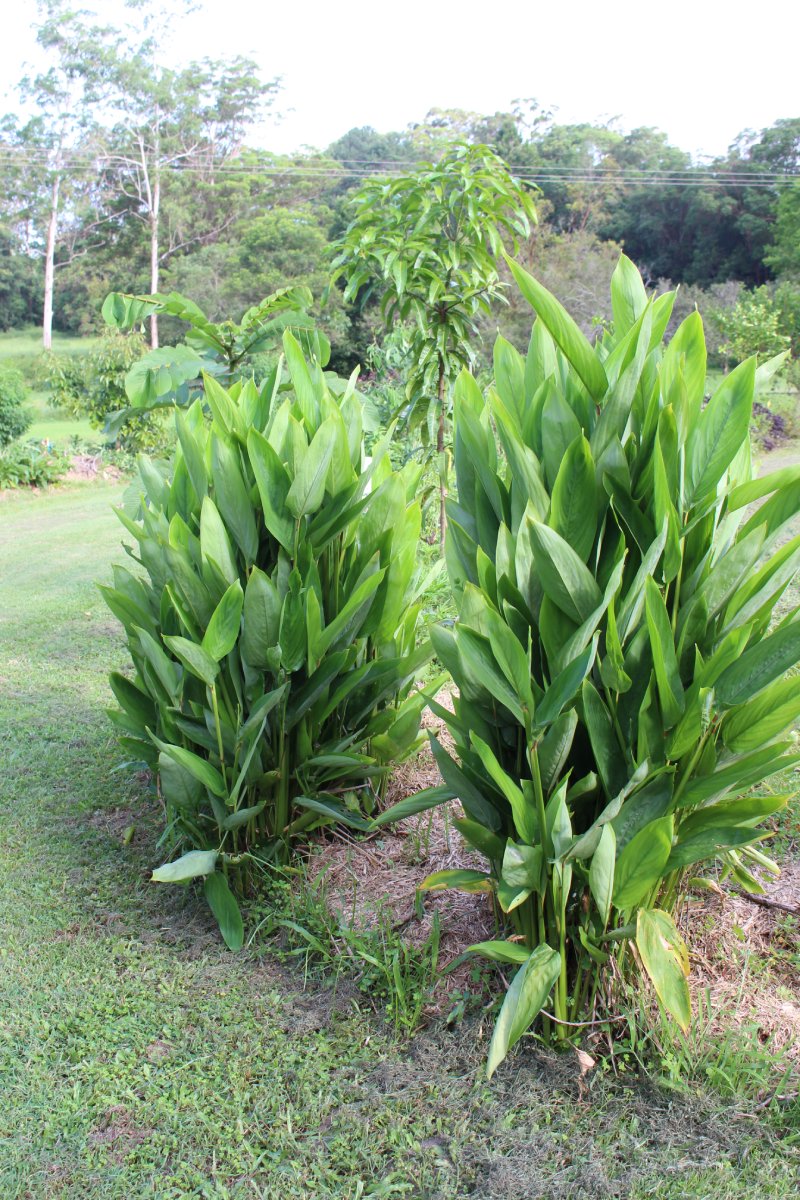

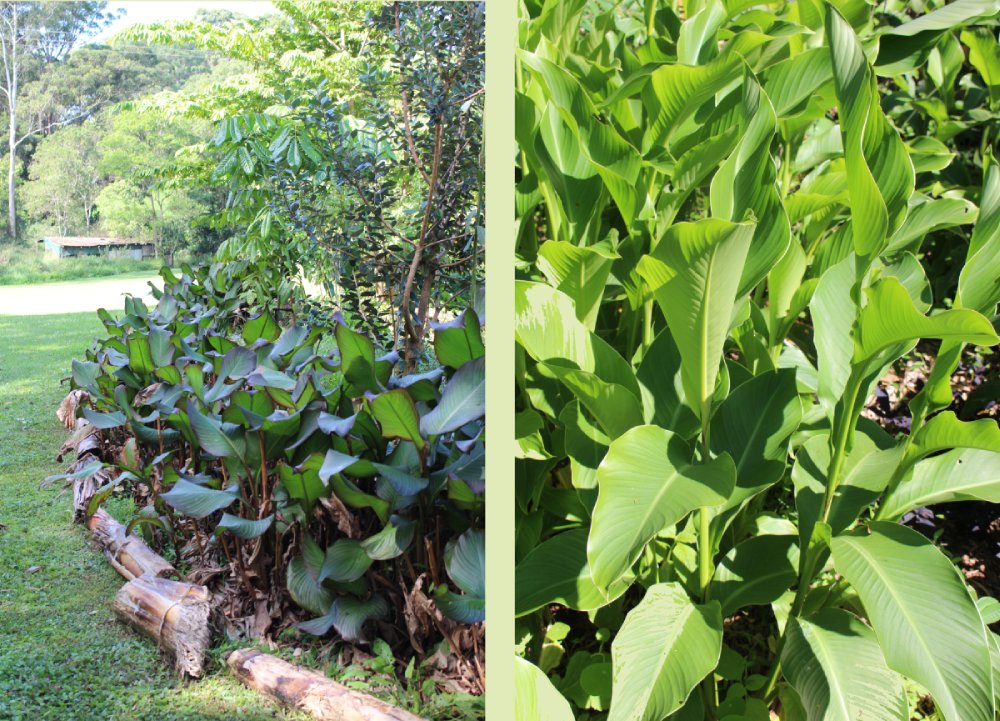
If you’re after a tough, generous, and multi-use plant for your food garden, look no further than arrowroot. The best known variety is Queensland Arrowroot (Canna edulis). Native to the American tropics and thriving in subtropical and tropical climates, this lush, clump-forming perennial reaches up to two metres high and offers an incredible range of uses—from food for us, animals, worms and soil to medicine, mulch and shelter.
Arrowroot loves full sun and rich, well-drained soil but will tolerate heavier conditions and even part shade. Plant it any time of year by tucking tuber sections just under the soil surface and spacing them about 30 cm apart. Once established, it needs very little care—making it perfect for permaculture gardens, food forests, and backyard growers who want low-input abundance.
You can propagate arrowroot by dividing the rhizomes, ideally in late winter or early spring before new shoots emerge. Look for healthy rhizomes with visible eyes or buds and replant immediately. It’s easy, satisfying, and a great way to expand your patch or share with friends.
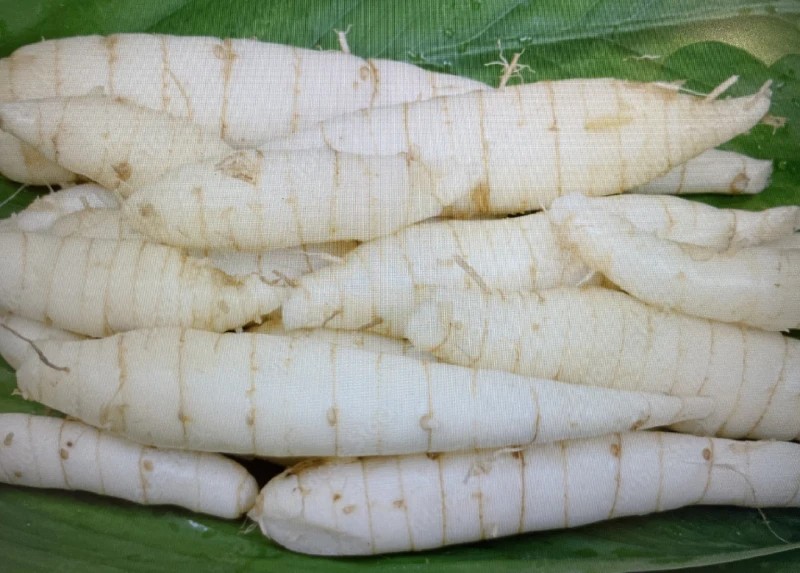
The young tubers, about tennis ball-sized, are your best bet for eating—before the fibres develop. Peel and cook them in a range of ways:
Don’t overlook the young shoots and leaves, which are high in protein (around 10%) and can be added to stir-fries or used as natural food wraps.
You can also make your own arrowroot flour—a gluten-free, easily digestible starch traditionally used to calm digestive upsets. Simply peel and grate the tubers, blend to a pulp, soak and strain off the fibres, and dry the white starch left behind. It stores well and makes a wonderful thickener.
Any yes the original arrowroot biscuits were made from this very plant.
In traditional medicine, the fresh pulp of the tuber has been used as a poultice for insect bites, wounds, and gangrene. Internally, it’s known to help with fluid retention, liver and kidney stress, nervous conditions, and digestive imbalances.
Arrowroot is not just food and medicine—it’s a true garden ally:
While Canna edulis (Queensland Arrowroot) is the most common variety, it’s not the only one:
Arrowroot is one of those quiet achievers—resilient, generous, and incredibly versatile. It supports both people and the planet by offering food, medicine, mulch, shade, compost, animal forage, and more, plus easy to grow. Every self-sufficient or permaculture garden should make space for this incredible plant.